Permalsteel
· Permalsteel · Guides · 11 min read
How to Choose Steel Doors and Windows — Straight Talk from Three Years in the Trade
A practical, no-nonsense guide to choosing steel windows and doors — profiles, surface treatment, glass, hardware, details and design — written from three years of real projects, client questions and mistakes seen on the job.
Introduction
I’m Lydia, and I’ve spent three years in the steel doors and windows industry. In those three years I’ve worked with well over a hundred clients — architects, builders, and homeowners who came to us directly. Almost everyone starts with the same question: “How on earth do you choose steel windows and doors?”
Honestly, there’s no single right answer. Choosing steel windows and doors isn’t like picking a standardised product off a shelf — it’s finding the right combination for your project, your climate, and your budget. Today I’m not going to give you theory. I’ll tell you, based on the mistakes I’ve seen, the projects I’ve handled, and the conversations I’ve had with clients over these three years, how steel windows and doors should actually be chosen.
1. Start with the profile — the most important step
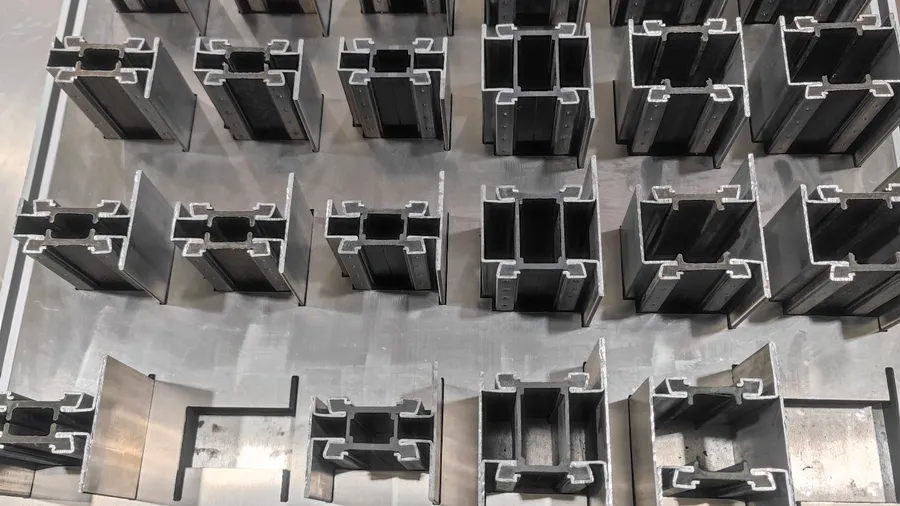
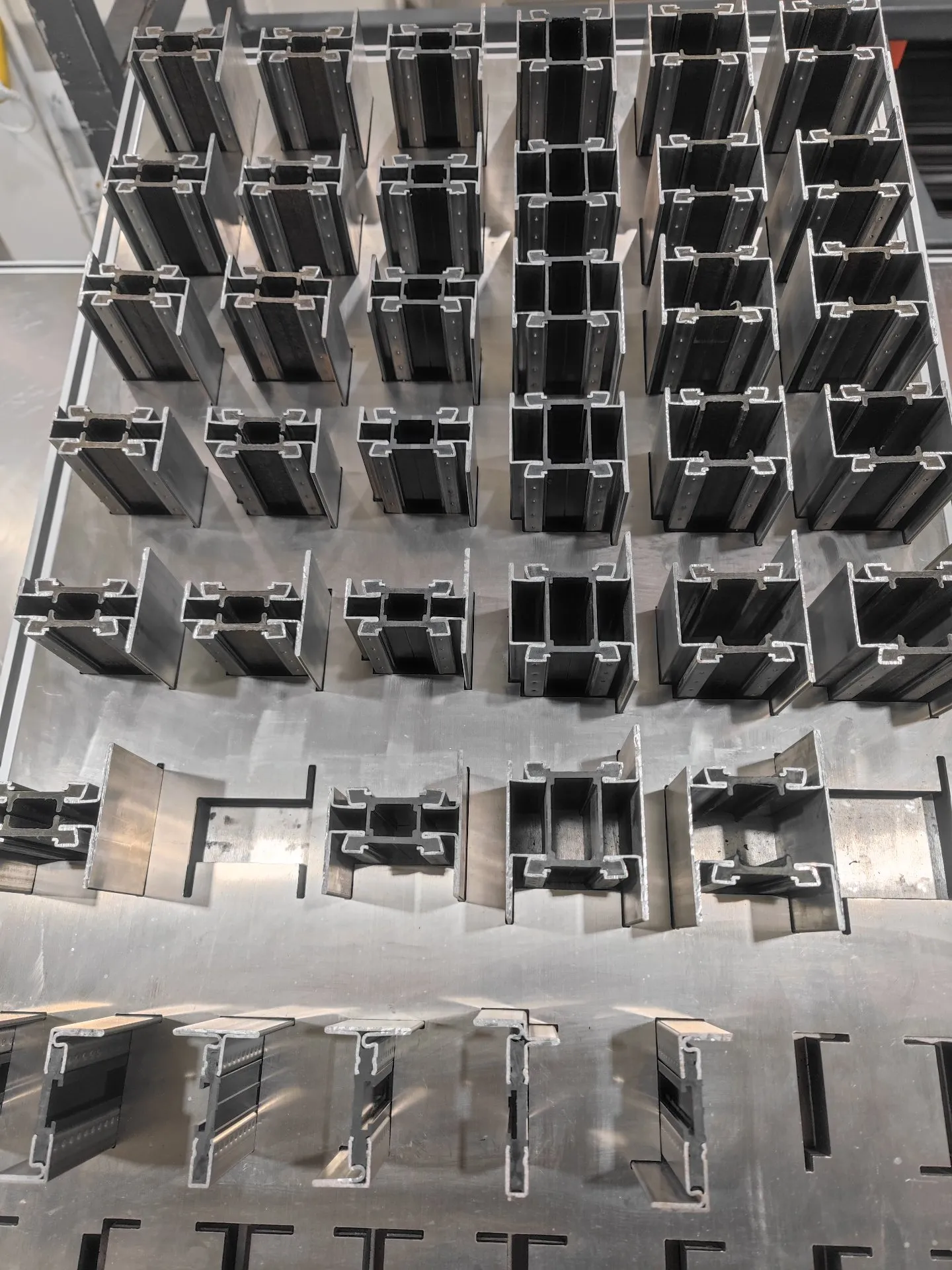
The profile directly determines a window’s strength, lifespan, and where it can be used. There are three mainstream steel profiles on the market today.
Solid steel (hot-rolled). Extremely narrow visible face; at the same visible-face width it offers the highest strength and the best fire performance. Because it is a solid, cavity-free structure, after welding it can be hot-dip galvanised as a whole — the zinc fully covers both inner and outer surfaces, giving very thorough rust protection. If you’re renovating a historic building, or you want that authentic vintage steel-window feel, solid steel is the only choice. Its drawbacks are weight, cost, and no thermal break, so insulation is only average. But in warm climates like Australia or the southern US, solid steel is more than enough — welded and then fully hot-dip galvanised, it won’t fear rust even by the sea.
Galvanised steel tube (non-thermal-break). The best value option. The material is galvanised steel coil cold-formed; the base metal carries its own zinc layer, so it’s light and friendly on price. For a standard residential project in a non-extreme climate, galvanised tube handles the job well. But two details demand your attention: first, once the tube is cut, the ends expose the internal cavity; if not sealed, moisture can enter from the ends and cause rust from the inside out. Second, the high heat of welding destroys the original galvanising, so the weld and heat-affected zone must be given secondary corrosion protection (for example, a zinc-rich paint touch-up). So if you use tube near the coast or in high-humidity areas, make sure the manufacturer seals the tube ends and treats the rust-prone welded areas.
Thermal-break steel. If you’re in cold regions like Canada, the Nordics, or the northern US, or your project must pass Passive House certification, thermal-break steel is essential. By inserting a polyamide insulating barrier between the interior and exterior steel profiles, the whole-window U-value reaches 2.0–2.5 W/(m²K), with high-end systems even hitting 0.8–1.5. This solves steel windows’ biggest weakness — poor insulation.
My advice is simple: look at your project’s climate first, then budget, then design requirements. Warm regions don’t need to force a thermal break; cold regions can’t skip the cost of one.
2. Look at surface treatment — it decides how long it stays beautiful
How good and how long steel windows and doors look comes down to surface treatment.
Two mainstream options today: powder coating and liquid paint.
Powder coating has the strongest durability — scratch-resistant, UV-resistant, and it won’t fade outdoors for 10+ years. If you’re doing a volume project with consistent colours, powder coating is the safe choice. Its drawback: if it gets scratched in transit or installation, it can’t be perfectly touched up on site. Also, pre-treatment is critical — whether the pre-treatment (degreasing, phosphating, passivation) is done properly directly determines whether the powder adheres firmly. Coating thickness must also be controlled; for outdoor use the powder coating thickness should generally not be below 60 µm, or weather and impact resistance suffer.
Liquid paint is less durable than powder, but its advantage is easy on-site touch-up. If you’re doing oversized doors and windows, or special colours in very small batches, paint is more flexible. Paint film also has better flexibility, so it resists cracking when bent. Custom colours are easier with paint — even a single piece can be custom-coloured. If you choose paint, make sure it’s multi-coat — primer, intermediate, topcoat — with sanding and cleaning between each layer. Total film thickness should ideally be no less than 80 µm to guarantee adequate rust protection and weather resistance.
Whichever you choose, there’s one process you must never skip: zinc spraying. Before coating, all steel profiles must first be zinc-sprayed to form a zinc protective film. This is the baseline of corrosion protection — and the place where many low-price manufacturers cut corners.
3. Look at the glass — sound, insulation and safety all depend on it
Glass makes up over 70% of a door or window’s area. Get it wrong and even the best profile is wasted.
- Single glazing: most economical, for warm climates or interior partitions
- Insulated glazing unit (IGU): thermal and acoustic insulation, for energy-efficient projects, standard for Passive House
- Laminated glass: safety and anti-blast, best sound insulation, for skylights and high-security areas
- Low-E glass: low-emissivity coating, insulation and UV protection, for sunrooms and energy-efficient windows
- Ultra-clear Low-E glass: ultimate transparency plus insulation, the first choice for high-end homes
If you’re in a cold region, choose IGU + Low-E. If you’re by the sea, choose IGU + laminated — warm and safe. For interior partitions, reeded glass, frosted glass, or switchable (privacy) glass are all options.
My experience: don’t skimp on the glass budget. Get the profile right but the glass wrong, and the window’s overall performance still won’t climb.
One more warning: if you have shaped (special-form) glass or IGUs with decorative grids, the edge seal path is far more complex than a plain rectangular unit, and the leak risk is higher. These must come from a large, quality-assured glass maker — confirm their molecular-sieve filling and sealant process are up to standard. Otherwise the unit can start leaking within a year, condensation forms inside the cavity, and both appearance and insulation suffer.
4. Look at the hardware — the thing you touch every day
Hardware is the most overlooked part of a window or door, yet the thing you use every day.
All our hinged doors and casement windows come standard with solid brass hardware. Why? Because brass resists corrosion, doesn’t rust, and feels solid — smooth even after ten or twenty years. Finishes can be matte black, brushed brass, antique bronze, or bright chrome, matching the overall door style.
When choosing hardware, I suggest three things to watch:
- Smoothness — does it open and close easily, any sticking?
- Material — brass and stainless beat zinc alloy
- Brand and warranty — if they’ll stand behind it with a warranty, it’s usually not bad
One more point: if you’re doing folding doors or sliding doors that get frequent use, hardware quality directly decides service life. Don’t save money on hardware.
5. Look at the details — welds, seals, packaging
These details don’t show in photos, but they decide your experience after delivery.
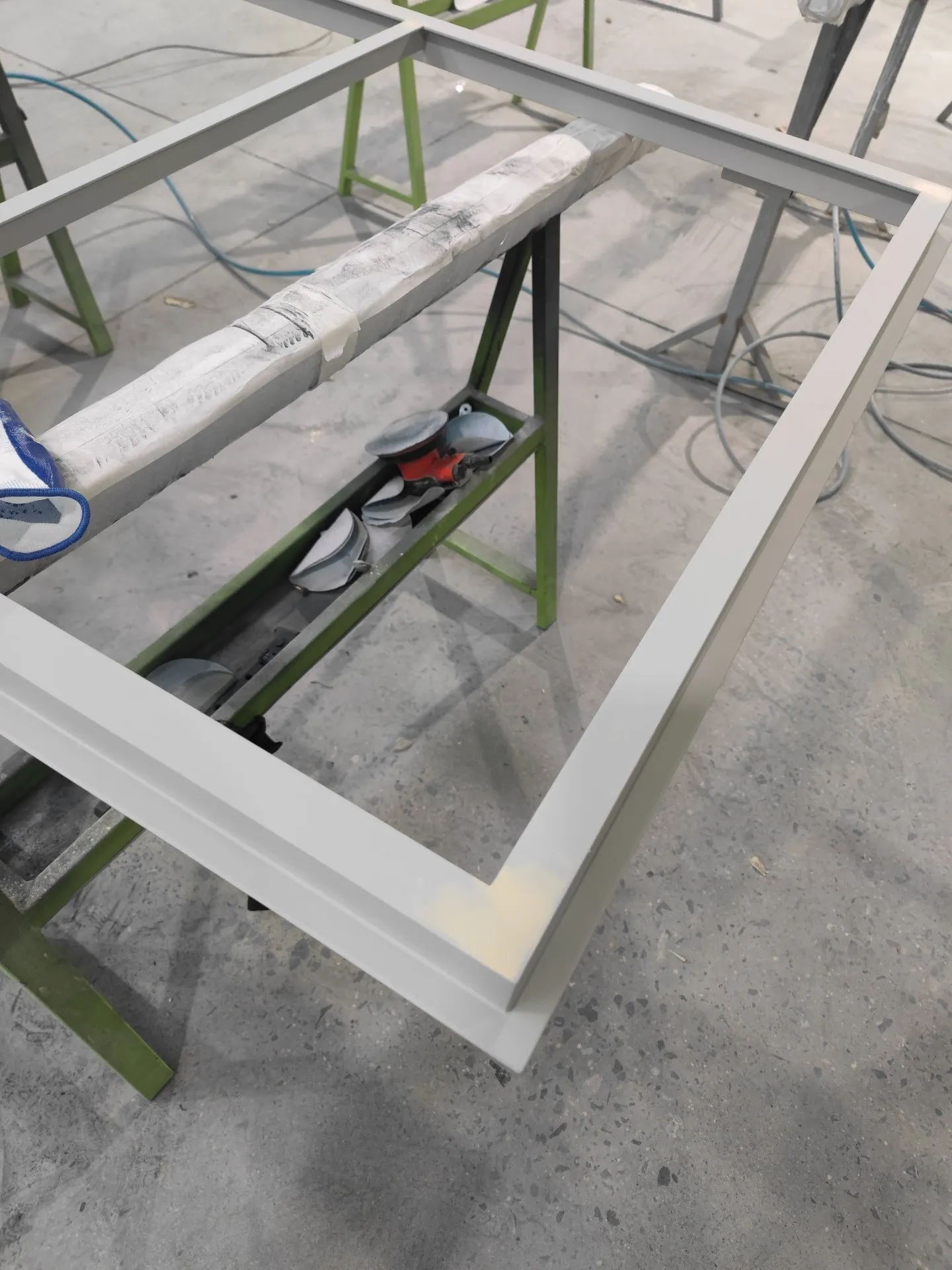
Welds: a good steel window has seams you can barely feel after grinding. Rough welds with slag mean the welding and grinding process isn’t up to standard.
Seals: high-density EPDM or silicone gaskets, layered for sealing. This is the key to water- and air-tightness. Cheap gaskets age and fall off in a year or two, causing leaks and drafts. EPDM (ethylene propylene diene monomer rubber) resists ageing, ozone and UV — the first choice for exterior doors and windows. Silicone tolerates a wider temperature range but costs more.
Packaging: steel windows travel by sea; weak packaging means scratches and deformation on arrival. A good manufacturer uses sturdy wooden crates with foam lining, ensuring zero movement in transit.
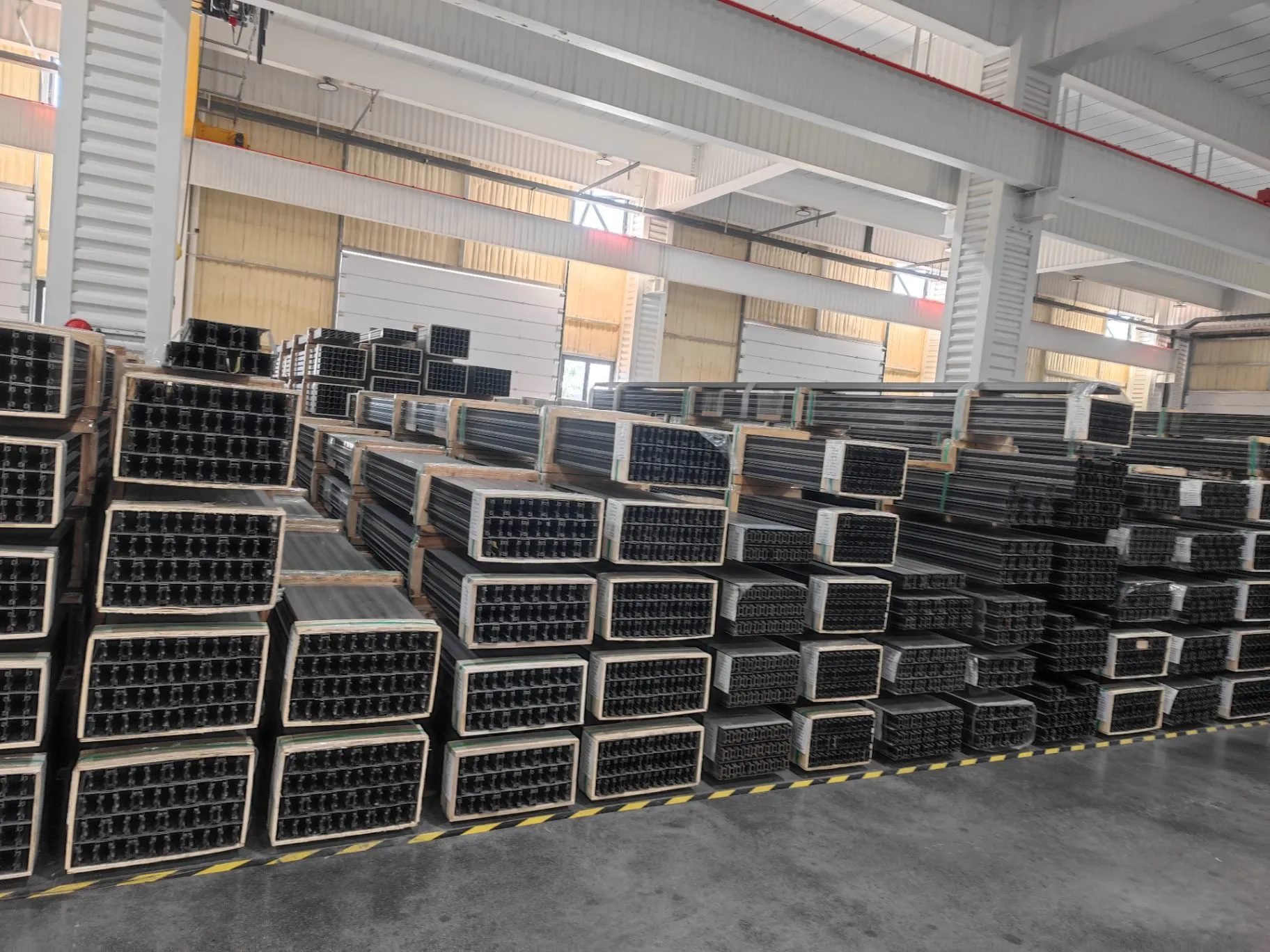
We inspect every order after welding, after coating, and before packing, and send the client photos and video for confirmation. It’s not high tech, but many manufacturers don’t do it.
6. Look at the design — design decides the finished product
This is something many overlook, but I have to say it: the design is what the door becomes.
Profile right, glass right, hardware right — but if the design drawings themselves have problems, like unreasonable structural nodes, unclear drainage paths, or opening methods unsuited to real use, the finished window will inevitably disappoint.
Good design isn’t just about looks — it must consider:
- Is the drainage path reasonable (especially for sliding and folding doors)?
- Does the opening method fit usage habits?
- Are the installation nodes clear and feasible?
- How are the joints between different materials handled?
- Does the thermal calculation meet local code (thermal-break systems)?
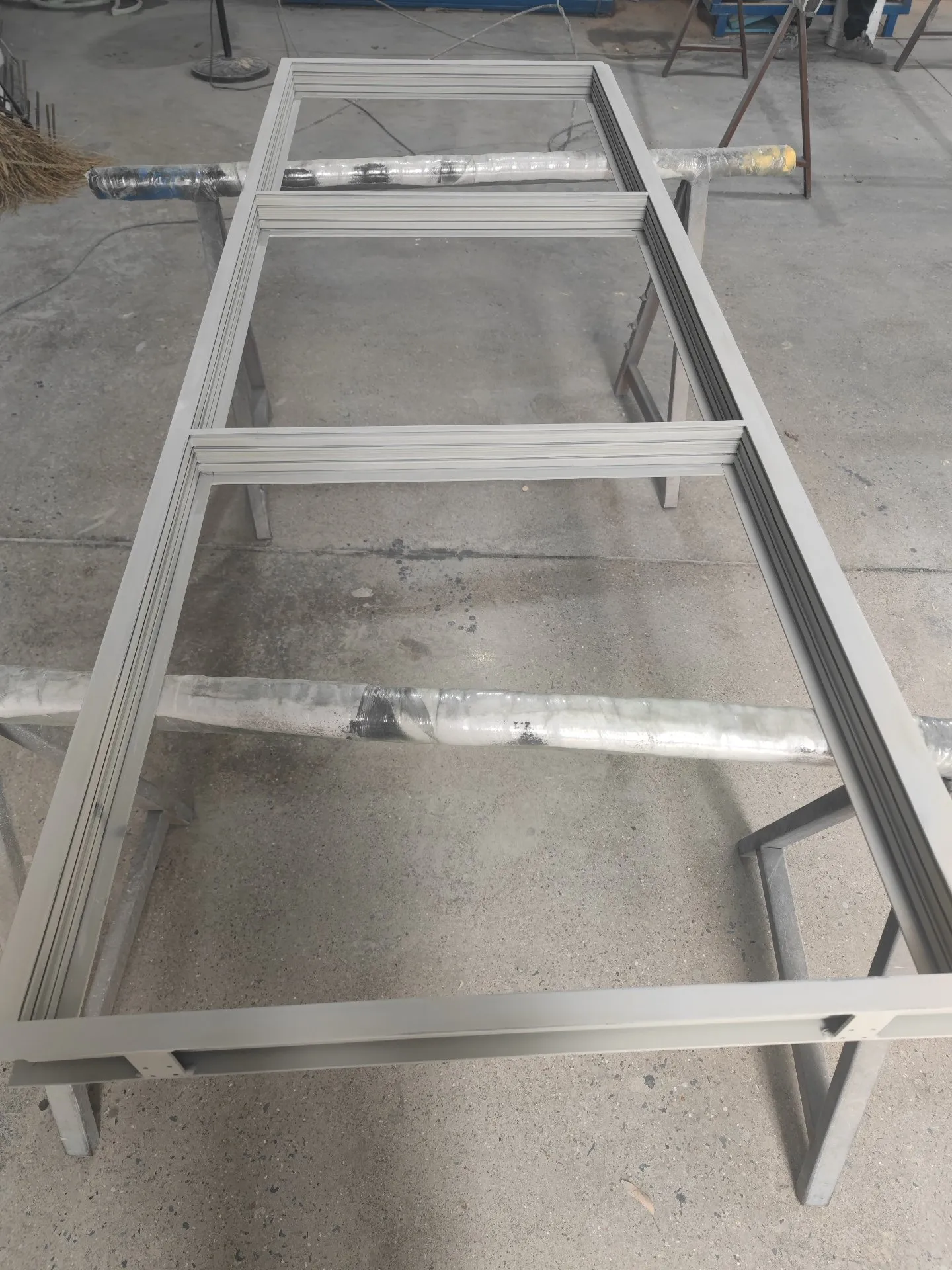
So my advice: before production, review the fabrication drawings seriously. Don’t think “close enough will do.” A small error on the drawing becomes a big error in the product. Taking the time to confirm the drawings is worth it.
A few pitfalls to avoid
- Don’t look only at price. Steel windows’ upfront cost is indeed higher than aluminium, but they last 75–100 years. Spread the price over each year and it’s not necessarily expensive.
- Don’t ignore installation. Even the best window leaks if installed poorly. Make sure the manufacturer provides installation guidance or node drawings.
- Don’t choose “fake thermal break.” A real thermal-break steel uses a PA66 nylon + glass-fibre barrier, not just a strip of plastic jammed in. Fake thermal break performs poorly and poses safety risks.
- Don’t skip sample confirmation. Before volume production, confirm a sample or the fabrication drawings. Once production starts, changes get troublesome.
In closing
Choosing steel windows and doors is really about choosing a reliable partner.
Profile, glass, hardware, surface treatment, details, design — every step has its nuances, but every step follows a pattern. You don’t need to become an expert, but you do need to find a supplier willing to tell you the truth and take responsibility for the details.
I’m Lydia, and I’ve spent three years at PermalSteel. If you’re choosing steel windows and doors, or have any questions, feel free to contact me directly. I may not give you the cheapest quote, but I can give you the most honest advice.
📧 Lydia@permalsteel.com | 🌐 www.permalsteel.com
Contact our team with your drawings or reference images and we will confirm feasibility, lead time, and pricing for your project.
Frequently asked questions
Which steel profile should I choose for my climate? Start with climate, then budget, then design. In warm regions like Australia or the southern US, solid hot-rolled steel or galvanised tube is plenty — welded and fully hot-dip galvanised, it resists rust even at the coast. In cold regions like Canada, the Nordics, or the northern US, or for a Passive House project, thermal-break steel is essential because it’s the only way to reach the low U-values those projects require.
Do steel windows rust? Steel will corrode if left unprotected, which is why preparation matters more than the material alone. Solid hot-rolled sections can be hot-dip galvanised as a whole after welding; galvanised tube needs its cut ends sealed and welded areas re-treated. A zinc-spray base layer plus proper powder coat or paint is the baseline — and it’s the step low-price suppliers most often skip.
Powder coating or liquid paint — which is better? Powder coating wins on durability (10+ years outdoors without fading) and is best for volume projects with consistent colours, but it can’t be perfectly touched up on site. Liquid paint is less durable yet easier to repair and customise, even for single pieces. Either way, never skip the zinc-spray pretreatment underneath.
What glass should I pair with steel windows? Glass is over 70% of the unit, so don’t skimp. Cold climates want an insulated glazing unit with Low-E; coastal sites want IGU plus laminated for both warmth and safety. Laminated also gives the best sound insulation for skylights and high-security areas. Shaped or gridded IGUs have a more complex seal path, so source them from a manufacturer with a proven sealant process.
How long do steel doors and windows last? A properly made and finished steel window has a realistic service life of 75 to 100 years. Spread the higher upfront cost across that lifespan and it is often cheaper per year than aluminium, which typically lasts 30–50 years.
What is “fake thermal break” and why should I avoid it? A genuine thermal break uses a PA66 nylon reinforced with glass fibre inserted between the inner and outer steel profiles. A “fake” version just jams a strip of ordinary plastic in, which performs poorly on insulation and can create a safety risk. Always ask what barrier material the system uses before you spec it.