Permalsteel
· Permalsteel · Guides · 8 min read
Steel vs. Timber Windows: Which Is Right for Your Heritage Renovation?
Compare steel and timber windows for heritage renovations, including appearance, maintenance, energy efficiency, cost, and when to repair or replace.
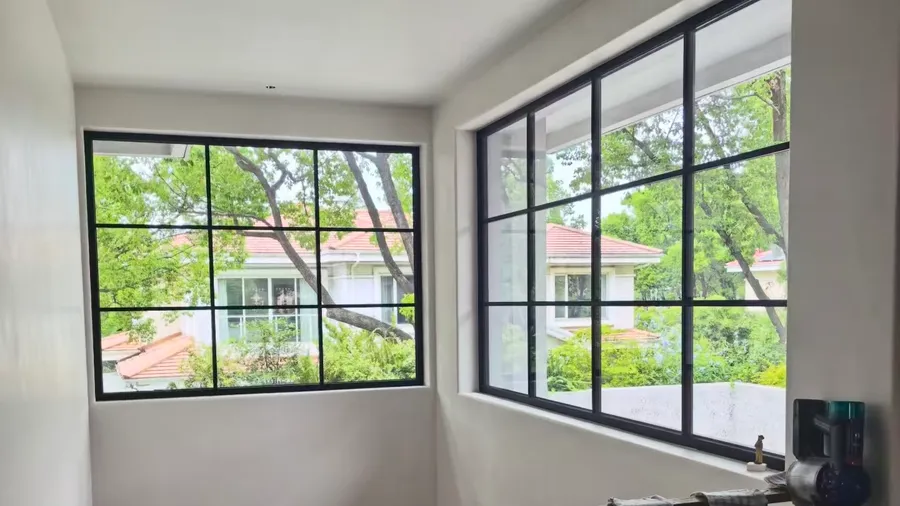
For a heritage renovation, the best window choice starts with the building’s original windows and whether they can be repaired. Timber is often appropriate where original timber profiles and joinery define the architecture. Steel is worth considering where slender frames, fine glazing patterns, or the restoration of original metal windows are central to the design.
Neither material guarantees better insulation, lower maintenance costs, or approval. Those outcomes depend on the window system, its condition, the installation, and the requirements of the project.
This guide compares steel and timber windows—also commonly called wood windows in the US—to help homeowners, architects, and builders decide what to retain, what to upgrade, and when replacement makes sense.
1. Should You Repair or Replace Historic Windows?
Before comparing replacement windows, have the existing windows assessed. Peeling paint, stiff hinges, drafts, or localized decay do not necessarily mean the entire window needs replacing.
Depending on the condition and heritage requirements, repairs may include restoring damaged sections, adjusting hardware, renewing seals, or adding appropriate secondary glazing. These measures can preserve original details while improving comfort.
Where replacement is necessary, record more than the frame material. Opening proportions, frame depth, glazing bars, sill details, and opening methods all contribute to the building’s appearance. Old photographs, surviving windows, and previous drawings can help establish what belongs.
For projects in the US and Australia, check the property’s heritage status and applicable local requirements before ordering. An older building and a formally protected property may require different approaches.
2. Appearance: Slim Steel Frames or Traditional Timber Details?
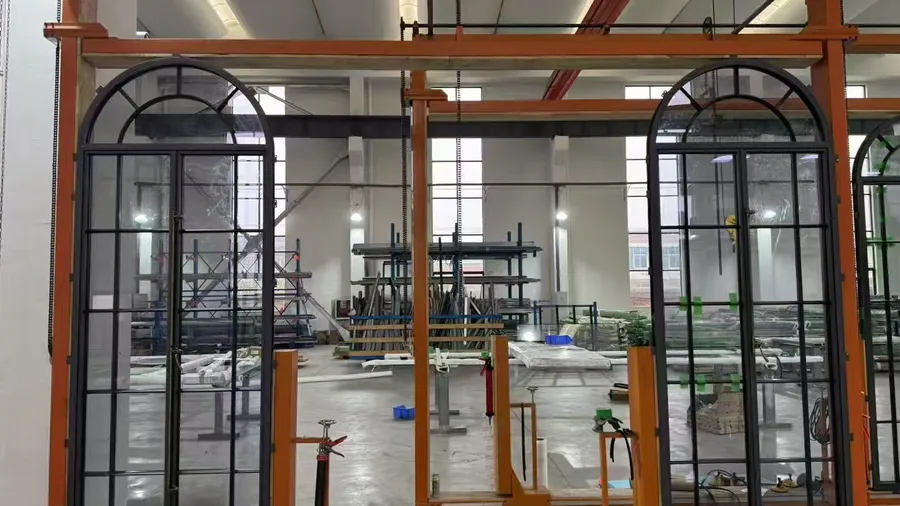
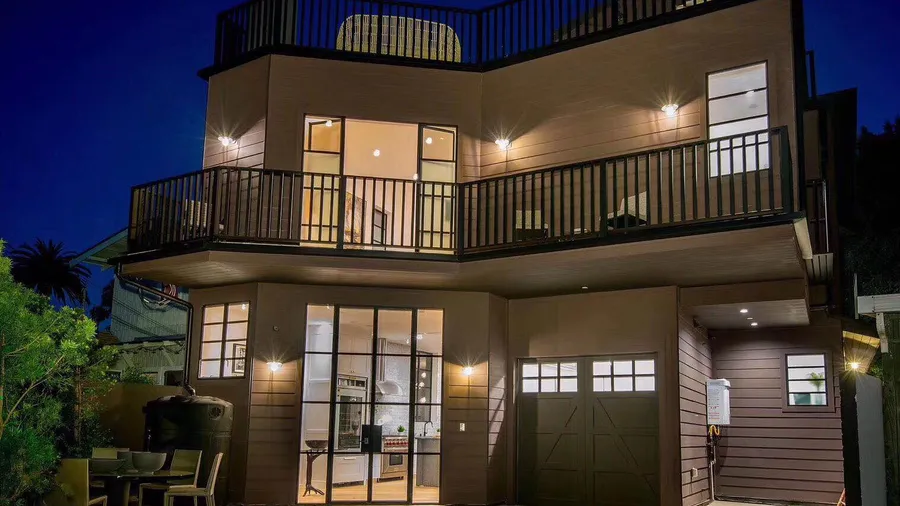
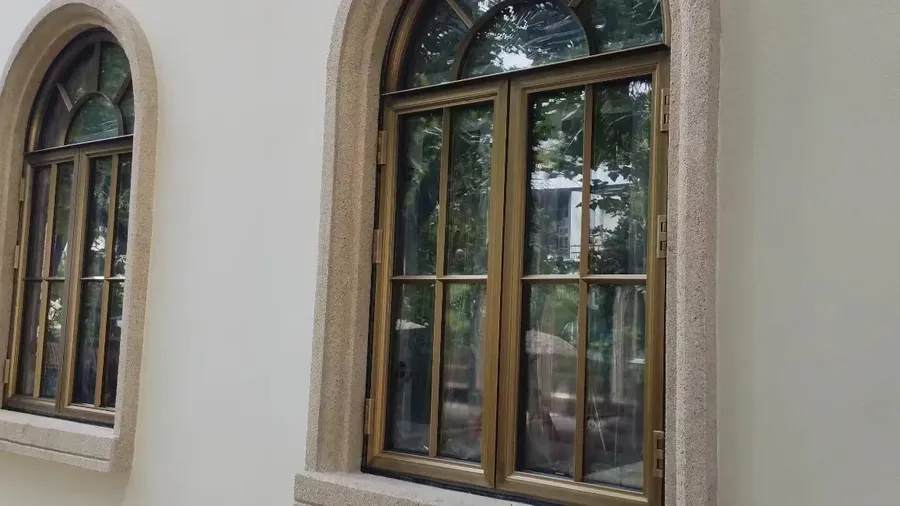
Steel’s strength can allow slender profiles, making it attractive where fine frame lines and a larger visible glass area are important. It can suit the restoration of original steel windows, industrial architecture, and carefully designed additions to older buildings.
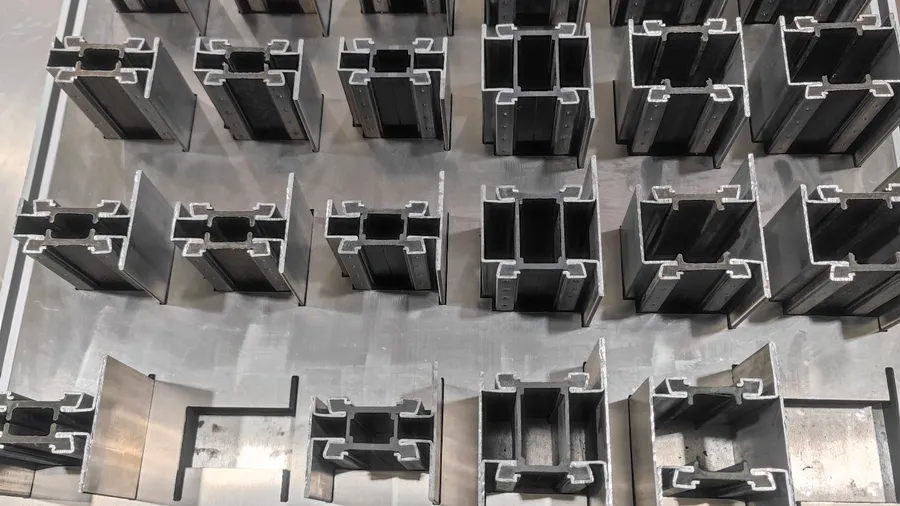
However, not all steel windows have the same sightlines. Fixed and opening windows differ, and thermal breaks, glazing thickness, and structural requirements affect the final frame dimensions. Compare section drawings, not just photographs.
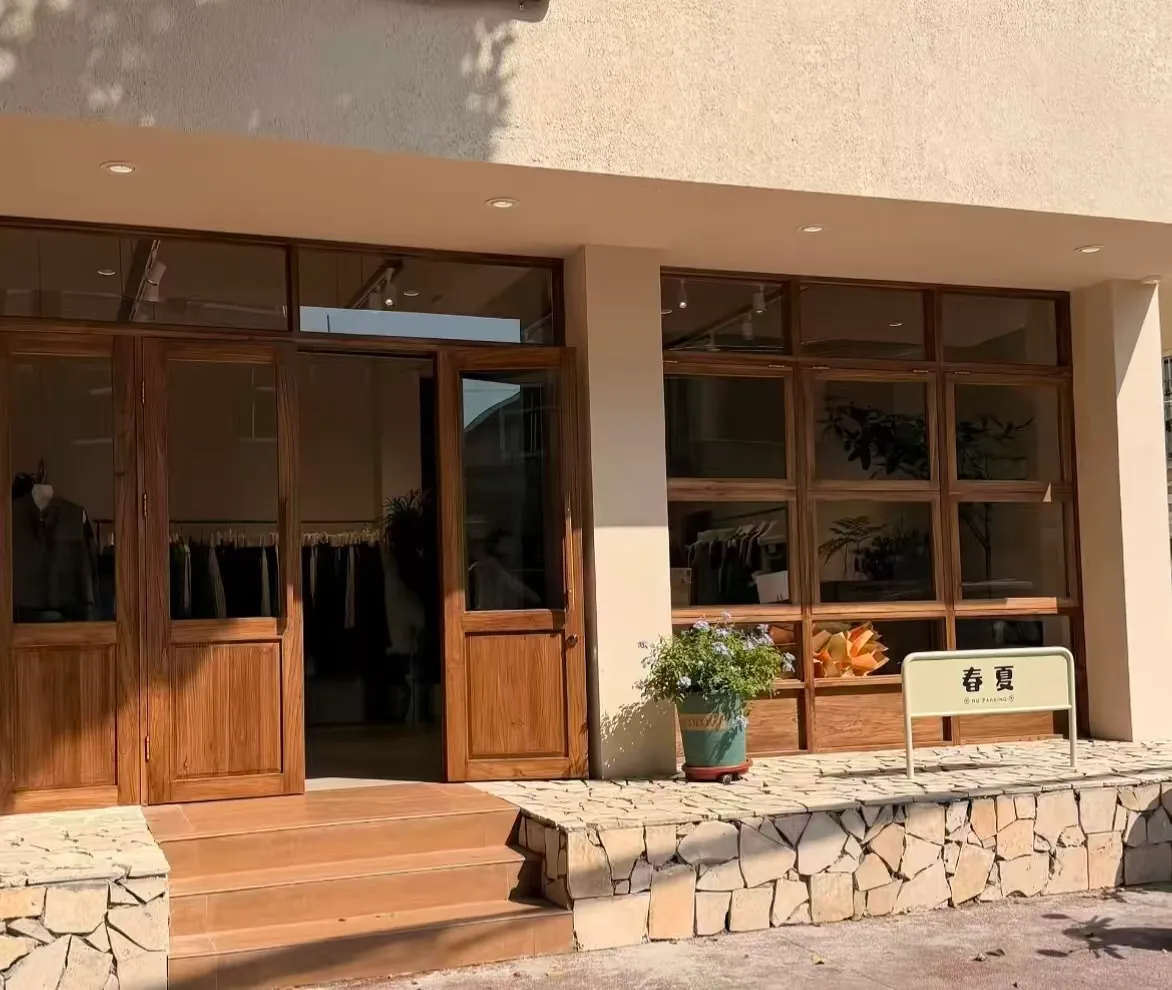
Timber offers a different set of advantages. Its grain, painted finishes, moulded profiles, and traditional joinery can be essential to the character of an older house. Where these details are significant, a slim steel replacement may change the appearance even if the overall glazing pattern looks similar.
The most convincing result usually comes from matching the features that matter to the building, rather than choosing a material in isolation.
3. Maintenance and Durability: What Will Each Material Need?
Both steel and timber windows need maintenance. The difference lies in what must be inspected and how deterioration is addressed.
For timber, pay attention to coatings, joints, sills, and areas where water can collect. Localized damage may be repairable without replacing the whole frame. Maintenance needs vary with timber species, finish, exposure, and detailing.
For steel, the corrosion-protection system matters. Depending on the product, this may involve galvanizing, protective coatings, or other specified treatments. Damaged finishes, joints, drainage paths, and hardware need inspection and care.
A well-specified steel window can be a practical choice for an owner seeking a manageable maintenance routine. It should still come with clear cleaning and touch-up instructions, especially in coastal locations. Ask what the finish warranty covers and what maintenance it requires.
4. Energy Efficiency: Compare the Whole Window
Timber conducts less heat than steel, giving it a useful material advantage. Unbroken metal frames provide a path for heat transfer, while thermal break steel systems use an insulating separation to reduce that transfer.
The frame material is only part of the result. Glass, spacers, seals, opening type, and installation all affect how the window performs. Both timber and thermally broken steel can be used in energy-conscious designs.
Ask for whole-window thermal performance data for the proposed configuration, rather than a glass-only figure. Confirm the units and assessment method when comparing US and Australian quotations. Air leakage and solar heat gain should also be considered where relevant to the project.
For an older building, discuss whether repairs, improved sealing, or secondary glazing could meet the project’s goals while retaining the original windows. Any glazing change also needs to suit the existing frame and heritage requirements.
5. Fire Performance: A Steel Frame Is Not a Fire Rating
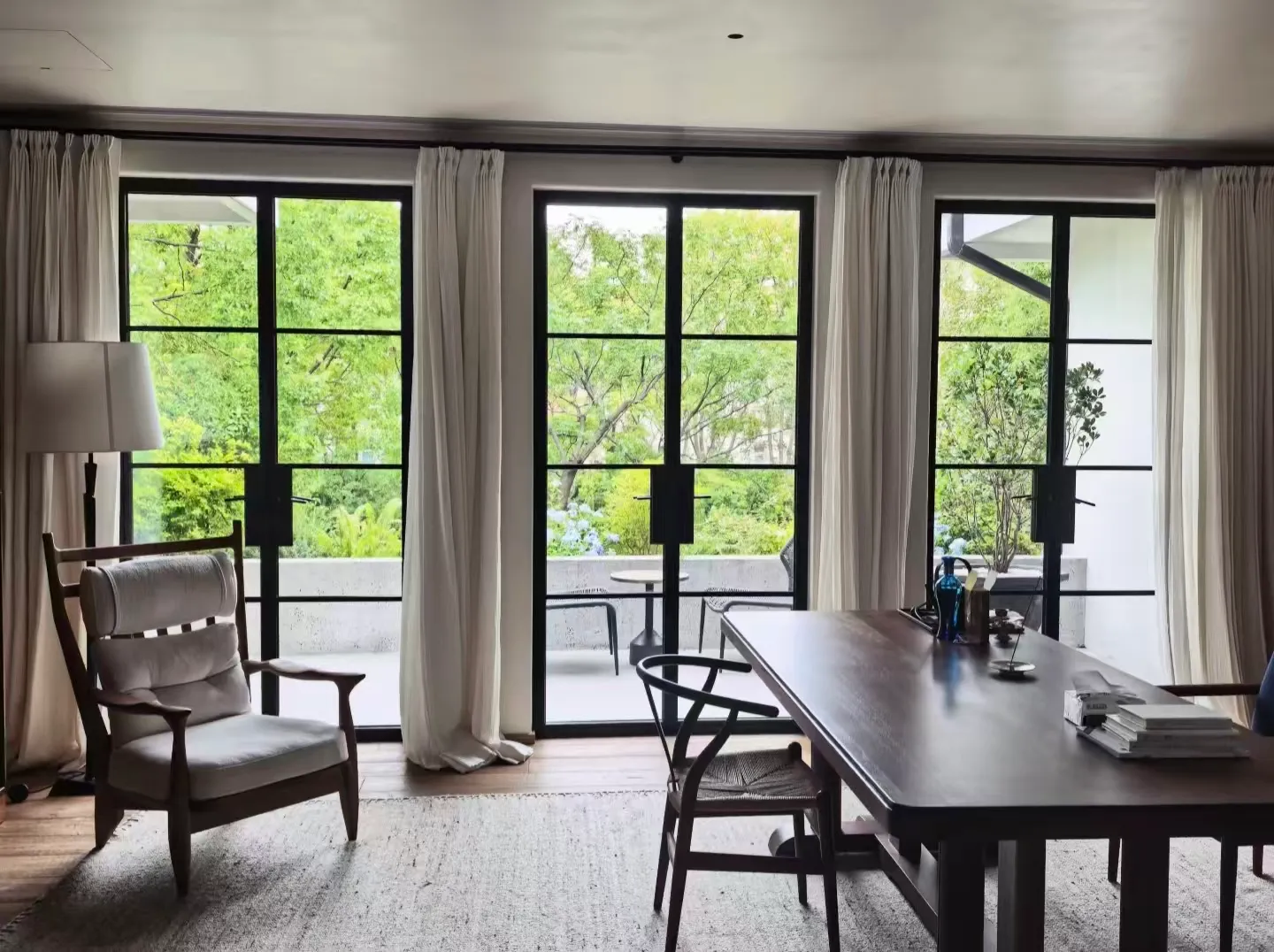
Steel is non-combustible, but that does not make an ordinary steel window a fire-rated window. Performance in a fire depends on the complete assembly, including the frame, glazing, seals, fixing details, and installation.
Where a project requires fire-rated glazing, select a system with the applicable test evidence and approvals for the intended use. Check that the proposed size and configuration fall within the documented scope.
The same principle applies when comparing timber and steel: assess the required performance of the complete system rather than assuming a result from the frame material.
6. Heritage Approval: Confirm the Design Before Ordering
A replacement window can resemble the original and still differ in ways that matter to a heritage review. Frame depth, glazing reflections, opening direction, visible hardware, and the position of the window within the wall can all affect the result.
If a material change is proposed, discuss it with the project architect and relevant authority early. Matching the original material may be important, but the acceptable approach depends on the particular building and its requirements.
Some projects may retain or repair street-facing windows while using different systems in an extension or less sensitive location. This is an option to investigate, not an assumption to build into the order.
7. Steel vs. Timber Window Costs: Compare Equivalent Specifications
There is no useful universal price rule for custom heritage windows. Timber species, steel profile systems, glazing, opening mechanisms, finishes, and installation complexity can all change the quote.
For a meaningful comparison, ask suppliers to price the same opening sizes, glazing requirements, and scope of work. Check whether the quote includes hardware, delivery, removal of existing windows, installation, and making good surrounding finishes.
Then consider ongoing maintenance and repair access. Repainting a readily accessible ground-floor window is a different task from maintaining windows above a difficult roof or narrow courtyard.
Steel’s ability to create fine frame lines may justify its cost for a particular design. Timber’s ability to reproduce original joinery may be equally valuable elsewhere. Compare what each option delivers for the building, rather than assuming one always has the lower lifetime cost.
8. When Should You Choose Steel or Timber?
Consider retaining, repairing, or specifying timber when:
- Original timber windows contribute to the building’s significance.
- Traditional mouldings, sash details, or timber finishes are central to the design.
- A suitable timber system meets the project’s performance requirements.
- The owner is prepared for the specified maintenance.
Consider retaining, repairing, or specifying steel when:
- Original steel windows or fine metal glazing patterns define the architecture.
- Slender frame lines are an important design requirement.
- The proposed steel system meets the necessary thermal, weather, and structural requirements.
- Its corrosion protection and maintenance requirements suit the location.
For either material, confirm that the selected configuration is suitable for the opening and acceptable for the project before committing to manufacture.
9. Frequently Asked Questions
Can I replace timber windows with steel in a heritage building?
Possibly, but a material change should be assessed against the building’s significance and applicable approval requirements. Similar glazing patterns alone do not establish that the replacement is appropriate. Review frame sections, opening details, and the effect on the elevation before ordering.
Are steel windows more energy efficient than timber windows?
Not automatically. Timber provides useful thermal resistance, while steel systems generally need a thermal break to reduce heat transfer through the frame. Compare the whole-window performance of the proposed products, including glazing and seals.
Are steel windows suitable for coastal homes?
They can be, provided the specific system, protective finish, hardware, and maintenance plan are suitable for the exposure. Ask the supplier to confirm coastal suitability and warranty conditions for the proposed product.
Should I repair original windows before considering replacement?
Start with a condition assessment. Repair may preserve valuable details and address problems without replacing the entire window. Where repair is not appropriate, the assessment helps define what the replacement needs to achieve.
Choosing Windows for Your Project
The right choice between steel and timber windows depends on what the building needs to retain and what the renovation needs to improve. Steel offers a compelling option where slender frames and fine glazing patterns matter. Timber remains valuable where original joinery and material character are central to the architecture.
Start with the existing windows, confirm the project requirements, and compare clearly defined systems.
Considering steel windows for your renovation? Contact Permalsteel with photographs of the existing openings, approximate dimensions, the project location, and any requirements already identified by your architect. These details provide a useful starting point for discussing suitable options.
For more guidance, read our steel doors and windows buying guide or compare steel windows vs. aluminum windows.