Permalsteel
· Permalsteel · Guides · 7 min read
Why Architects Are Choosing Steel Windows Again
Steel windows never really went away — they moved back to the top of the market. Here is what a new generation of slim, thermally broken steel systems actually delivers on sightlines, U-values, lifespan and sustainability, and where it still makes sense to specify them.
Introduction
If you’ve been paying attention to high-end residential and commercial architecture in recent years, you may have noticed something: steel windows are making a comeback.
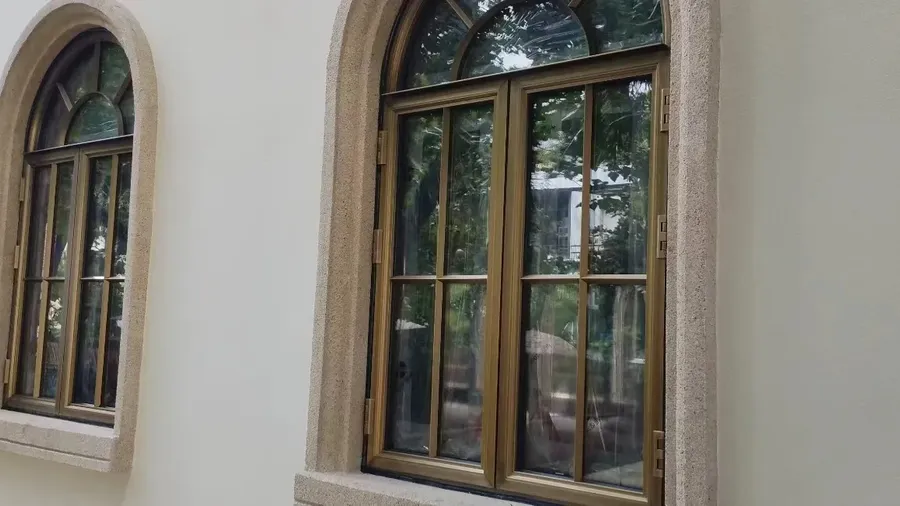
Not the industrial-style iron frames, and not the heavy steel windows of old buildings — but a new generation of slim, refined, high-performance steel window and door systems. From Victorian terrace renovations in London to Spanish Revival villas in Los Angeles and beachfront homes in Sydney, architects are putting steel back on the drawing board.
Why? This article explores the real reasons behind the “steel renaissance” — from design and performance to aesthetics and long-term value.
Steel was once the language of modern architecture
To understand why steel is coming back, we first need to understand why it disappeared.
In the early 20th century, steel was the signature material of modern architecture. From the Bauhaus to Le Corbusier, from New York skyscrapers to London factories, steel windows defined an era — slim, transparent, industrial, rational. Steel’s strength allowed architects to create ultra-narrow frames and expansive glass areas — revolutionary at the time.
By the mid-to-late 20th century, aluminium took over. Lighter, cheaper, and rust-free, it quickly captured the mass market. Steel retreated to heritage buildings and a handful of high-end projects.
But aluminium has one weakness it can’t overcome: strength. To achieve the same structural performance, aluminium frames must be thicker and wider. As a result, aluminium sightlines are typically 20mm wider than steel. In contemporary architecture that pursues maximum views and minimal aesthetics, those 20mm are a dealbreaker.
Five real reasons architects are choosing steel again
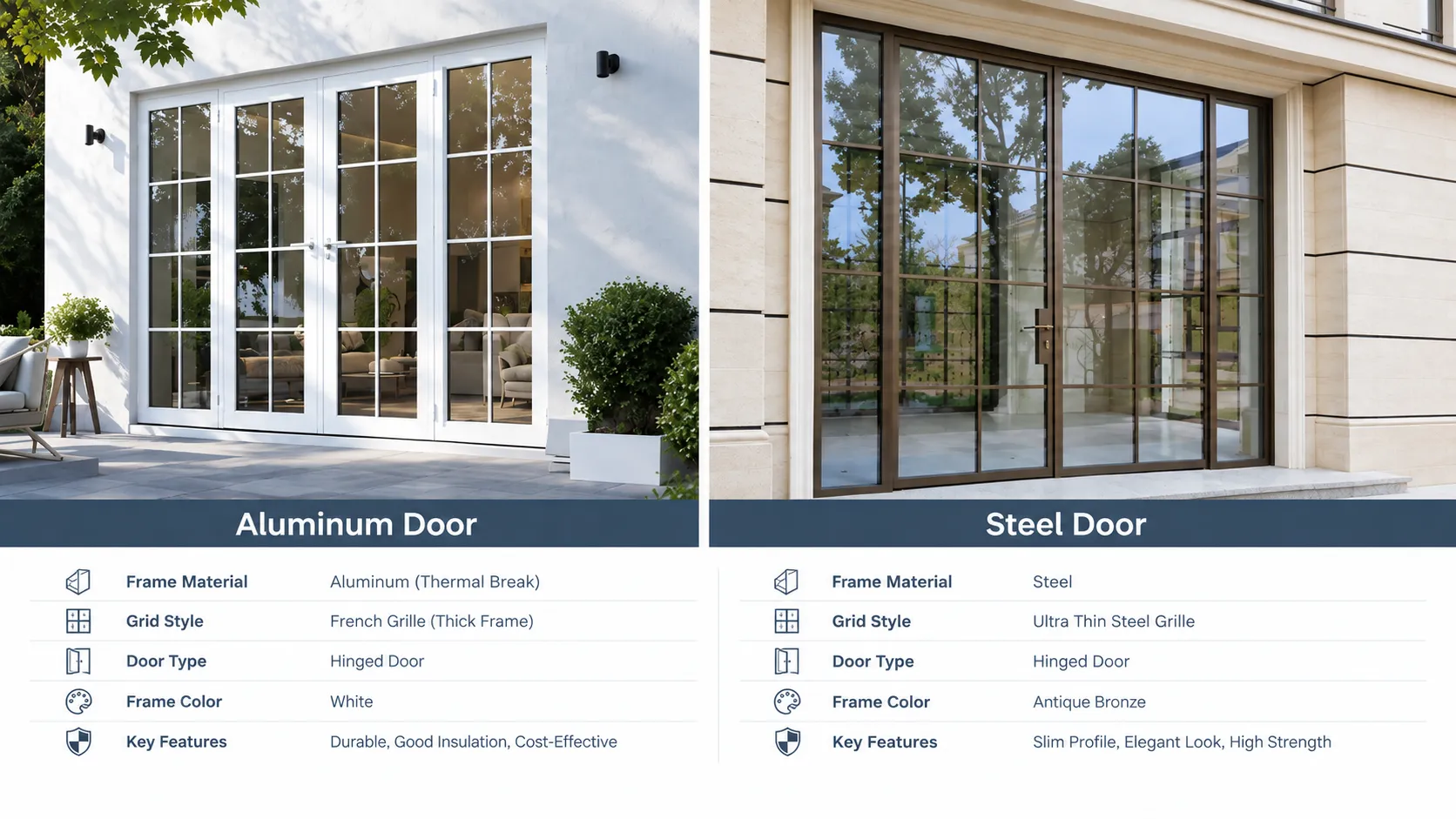
1. Slim sightlines: letting glass take centre stage
Steel is roughly three times stronger than aluminium. This means steel frames can achieve the same structural performance with significantly slimmer profiles.
In practice: steel sightlines can be as narrow as 40–60mm, while aluminium typically requires 60–70mm at comparable depths. For a beachfront villa, that 20mm difference means less visual obstruction and more view.
Architects don’t choose steel for the sake of steel — they choose it because steel makes the frame disappear.
2. Thermal break technology: solving steel’s biggest weakness
In the past, the biggest concern about steel windows was thermal performance. Steel has high thermal conductivity (~45–55 W/m·K), meaning heat easily escapes through the frame in winter and enters in summer.
But modern thermal break technology has changed everything. By inserting a polyamide (PA66) insulating barrier between interior and exterior steel profiles, thermal break steel windows achieve U-values of 2.0–2.5 W/(m²K) — with premium systems reaching 0.8–1.5 W/(m²K).
Steel is no longer a choice between beauty and energy efficiency. It delivers both — and meets the most stringent building codes, including Passive House standards.
3. Durability: a lifespan measured in generations
A well-made steel window can last 75 to 100 years. This isn’t marketing hype — countless heritage buildings across Europe still have their original steel windows in service today.
Steel doesn’t lose strength over time. With proper surface protection, it can serve generations.
Aluminium windows typically last 30–50 years. That’s respectable, but it’s not generational. For a home you plan to keep for decades, steel’s long-term value is undeniable.
4. Aesthetics: a quality that can’t be replicated
This is the most subjective difference — and the most real. Steel windows have a unique presence: cool, solid, restrained — qualities aluminium struggles to replicate.
Aluminium can mimic steel’s colour, but not its character. When an architect says “I want steel,” they’re often not asking for a material — they’re asking for an attitude: permanent, uncompromising, built to withstand the test of time.
This is why steel is almost irreplaceable in heritage renovations. Victorian terraces, Georgian townhouses, Spanish Revival villas — these buildings need a material that matches their historical weight. Aluminium is too light, timber too soft. Only steel can carry that gravity.
5. Sustainability: steel is genuinely green
Steel is 100% recyclable — and recycling doesn’t degrade its performance. This means even if a steel window is removed after 100 years, its material can be reused, not sent to landfill.
Aluminium can also be recycled, but the process is more energy-intensive. PVC, meanwhile, is notoriously difficult to recycle effectively.
For projects pursuing LEED, BREEAM, or other green building certifications, steel windows are a natural fit.
Three typical scenarios where steel windows are returning
Scenario 1: Heritage renovation. In cities like London, Paris, and New York, thousands of Victorian, Georgian, and Edwardian buildings are being renovated. Their windows need to match original steel sections — slim, multi-paned, historically authentic. Steel is the only option that delivers both visual authenticity and modern performance.
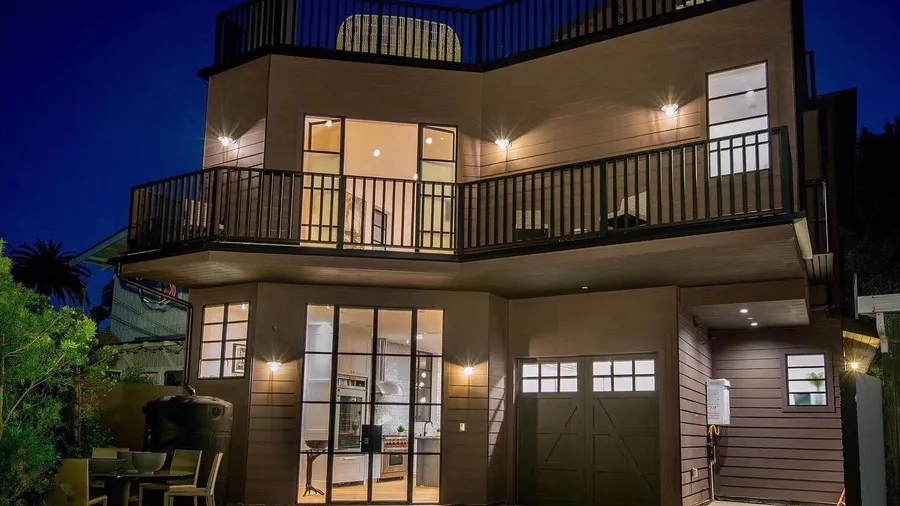
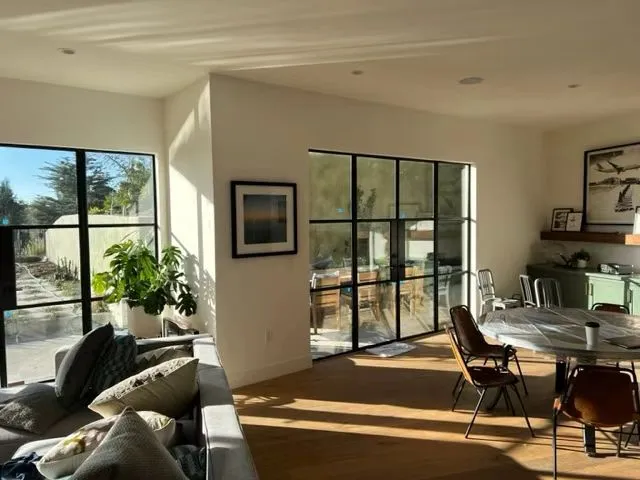
Scenario 2: Modern minimalist homes. Contemporary architects pursue a “boundary-less” living experience — seamless indoor-outdoor connection, maximum glass, minimum frames. Steel’s slim sightlines (40–60mm) and thermal break performance perfectly match this aesthetic and functional demand.
Scenario 3: High-end commercial and hospitality. Boutique hotels, art galleries, luxury retail — these projects need a material that is both industrial and refined. Steel’s cool character and customization potential make it a designer’s first choice.
Final thoughts
The return of steel windows isn’t nostalgia. It’s evolution.
Modern steel windows have solved the old weaknesses — poor insulation, rust, high maintenance — while keeping the irreplaceable advantages: slim, strong, durable, beautiful.
For architects, steel is no longer a trade-off between aesthetics and performance. It’s a way to have both.
For homeowners, steel is a long-term investment — higher upfront cost, but it lasts longer and makes everyday life more beautiful.
Have a project to discuss? Contact us for expert advice.
📧 Lydia@permalsteel.com | 🌐 www.permalsteel.com
Contact our team with your drawings or reference images and we will confirm feasibility, lead time, and pricing for your project.
Frequently asked questions
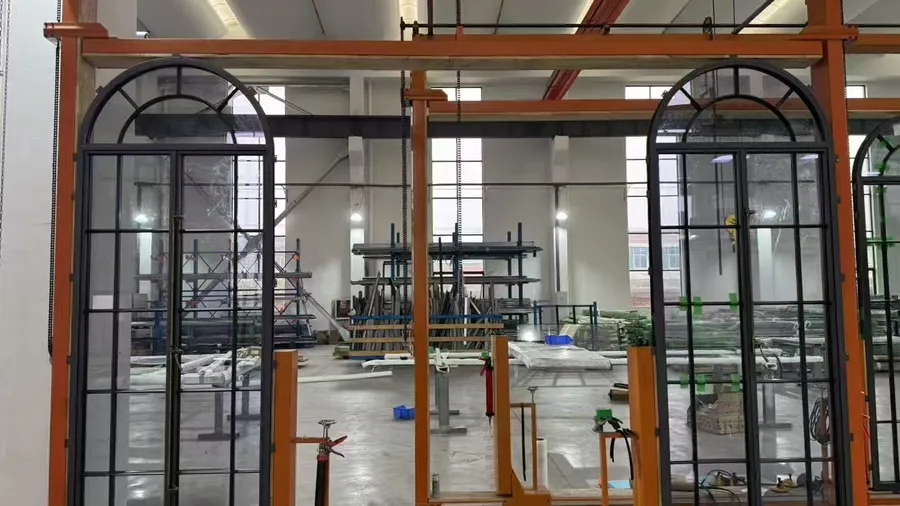
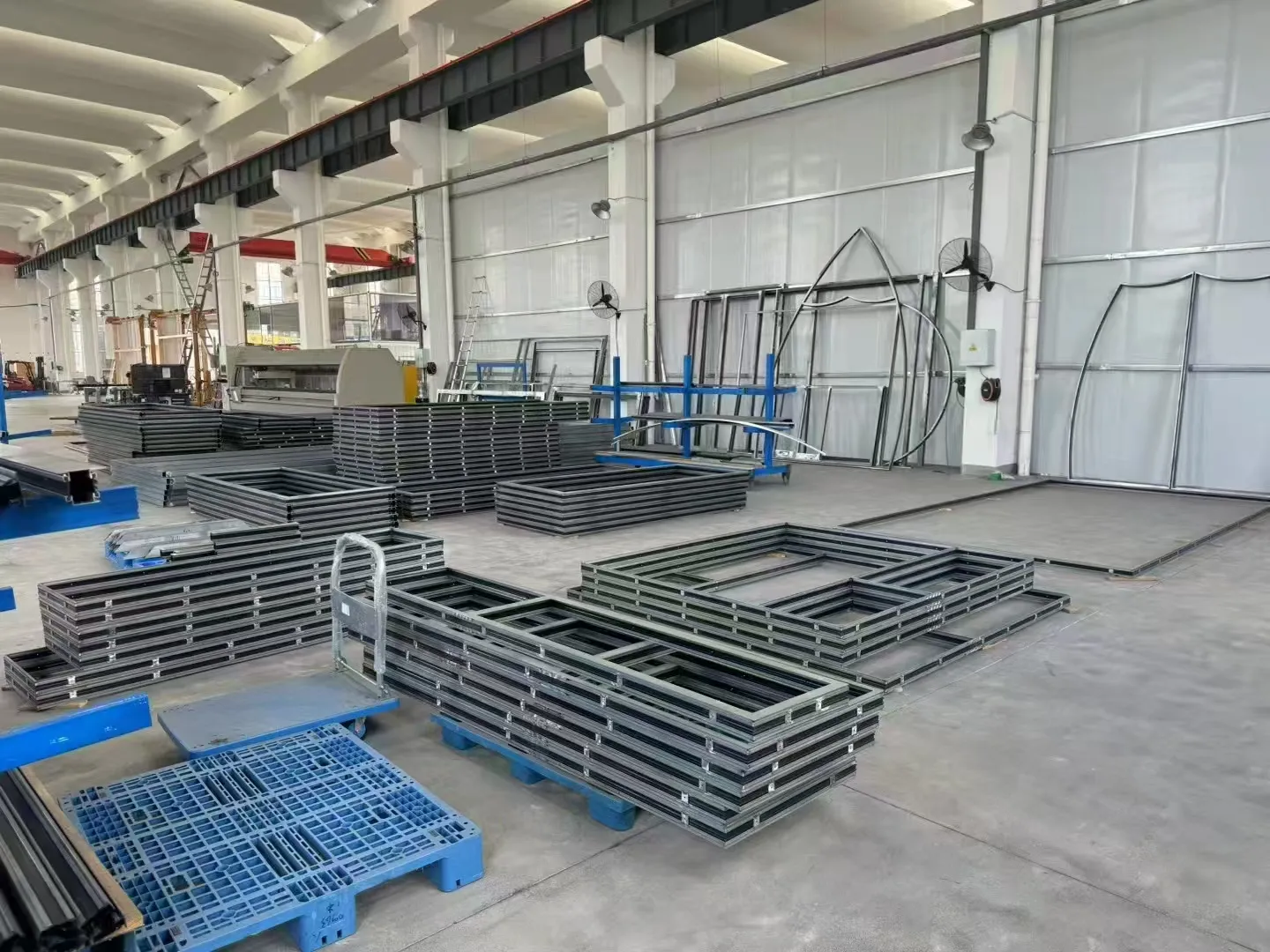
Why are steel windows more expensive than aluminium? Three things drive the price: the raw material, welded fabrication — each frame is welded, straightened and ground by hand rather than assembled from extrusions — and the heavier finishing process. Steel carries a premium over an equivalent aluminium unit, but it is also designed to stay in the building far longer.
Can steel windows meet modern energy codes and Passive House standards? Yes, with a polyamide (PA66) thermal break. Thermally broken steel systems reach U-values around 2.0–2.5 W/(m²K), and premium systems reach 0.8–1.5 W/(m²K). Without a thermal break, no metal frame — steel or aluminium — performs well.
Do steel windows rust? Steel will corrode if left unprotected, which is why surface preparation matters more than the material choice. A multi-stage pre-treatment followed by a powder coat or fluorocarbon finish is what keeps a frame performing in coastal and humid climates. Damaged coating should be touched up rather than left exposed.
How long do steel windows last? A properly made and properly finished steel window has a realistic service life of 75 to 100 years, and the material can be recycled at the end of it. Aluminium windows typically last 30–50 years.
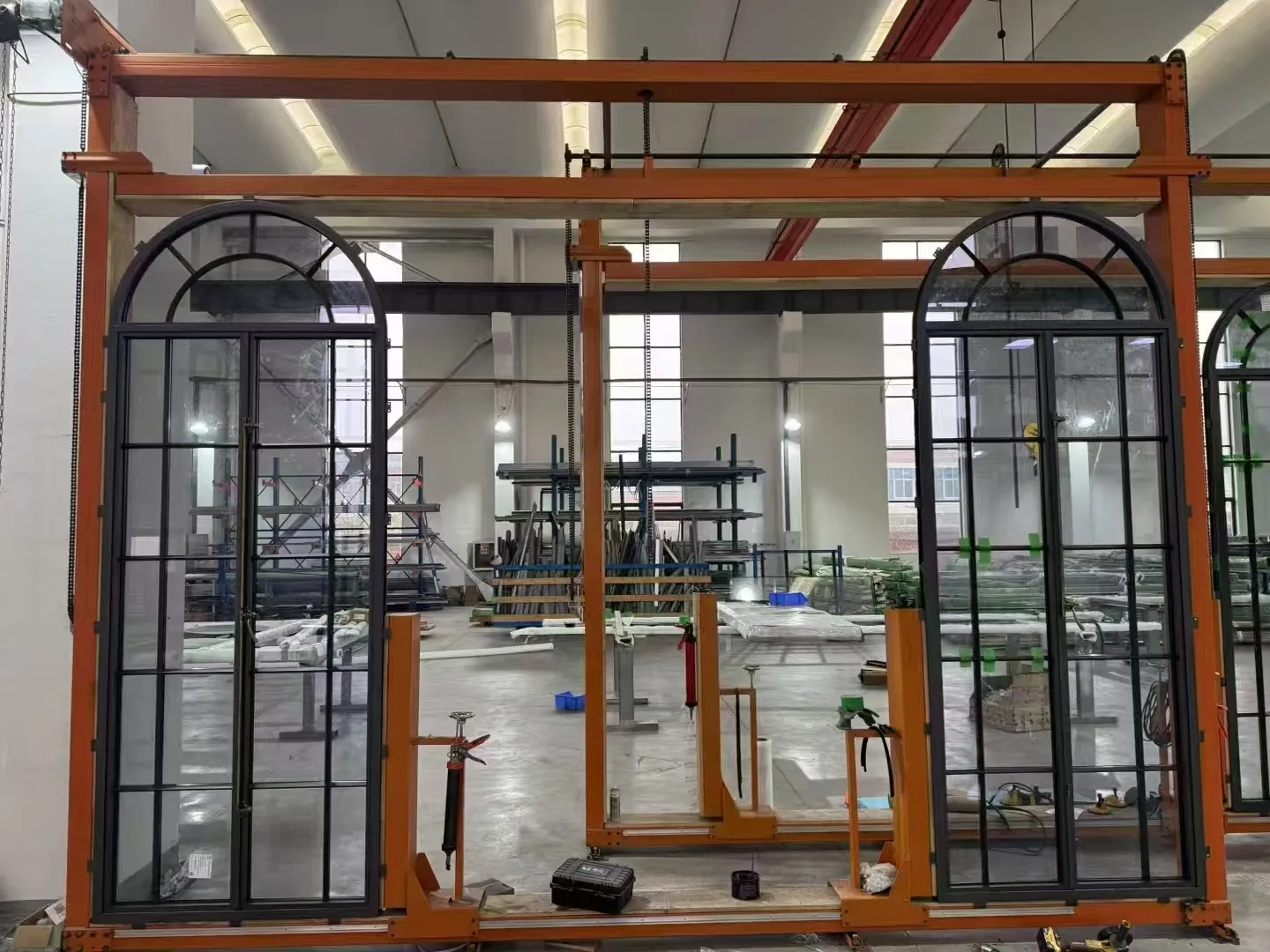
Can steel windows match original heritage sections? This is where steel has no real competitor. Profiles can be rolled or fabricated to match original slim sections, and true divided lites, glazing bars, and arched or eyebrow heads can all be reproduced rather than applied as decoration.
How long does a custom steel window order take? Production typically runs eight to twelve weeks for made-to-order steel, followed by roughly four to six weeks of sea freight to the US West Coast or to Australia. Complex arched and heritage work sits at the longer end of that range.