Permalsteel
· Permalsteel · Guides · 4 min read
Steel Windows vs. Aluminum Windows — Which Is Right for Your Project?
Steel offers unmatched strength, slim sightlines, and timeless character, while aluminum wins on upfront cost. Here's a practical, side-by-side guide for architects and homeowners.
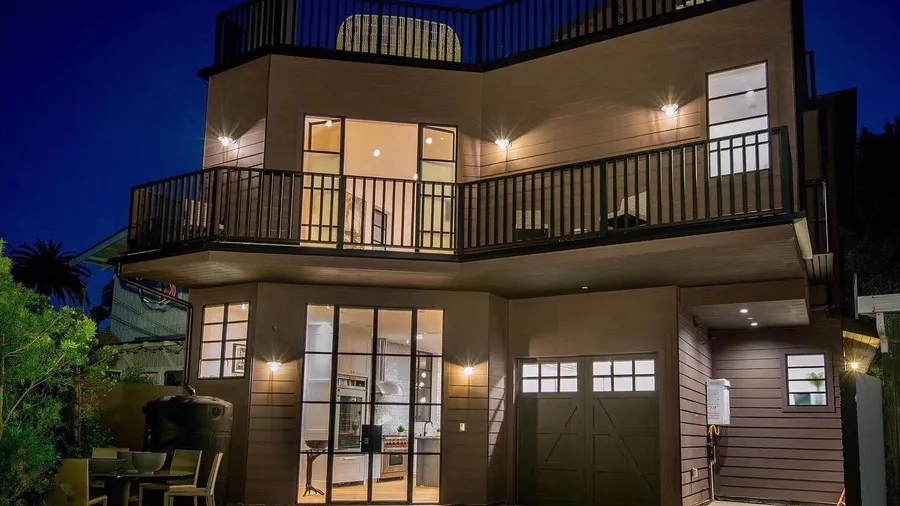
When you’re choosing between steel and aluminum for windows and doors, the decision usually comes down to three things: appearance, performance, and budget. Both materials are durable and modern, but they’re built for different priorities. This guide breaks down what actually matters so you can choose with confidence.
Why the comparison matters
Steel and aluminum are the two dominant non-timber options for slim-framed glazing. At a glance they can look similar, but the differences run deep — in how they’re manufactured, how they perform, and how long they last. Getting this wrong can mean overspending on one end or living with frames that sag and leak on the other.
Strength and frame width
The single biggest difference is strength-to-weight ratio.
- Steel is roughly three times stiffer than aluminum. That means a steel profile can be much thinner and still carry a large pane of glass — sightlines as narrow as 40–60 mm on thermally broken systems.
- Aluminum needs thicker, deeper profiles to carry the same load, which translates to chunkier frames for large openings.
If you’re after the ultra-thin, industrial look of a Crittall-style window or a floor-to-ceiling door, steel is the material that makes it possible without compromise.
Thermal performance
Raw metal conducts heat, so neither material is great thermally without a thermal break.
- Modern steel systems use a polyamide or polyurethane thermal break that isolates the inner and outer frame, bringing U-values down to around 2.0 W/(m²K) or better.
- Aluminum has long offered thermal break systems, and at the entry level they can be slightly more affordable to achieve a given U-value.
The takeaway: with a proper thermal break, steel is entirely capable of meeting passive-house and cold-climate requirements — it’s no longer the “cold metal” of old steel-frame windows.
Aesthetics and character
This is where steel genuinely shines. A steel frame has a crispness and permanence that aluminum rarely matches. It suits:
- Heritage homes and period renovations
- Industrial and loft-style interiors
- Architects seeking the slimmest possible sightlines
- Projects where the frame is a design statement, not just a glazing support
Aluminum is an excellent, clean material, but its proportions tend to read as “commercial.” Steel reads as architectural.
Durability and maintenance
- Steel is exceptionally strong and, when properly galvanized and powder-coated, highly corrosion-resistant. Our profiles use a multi-stage surface treatment that holds up in coastal and humid environments. Minor scratches should be touched up to prevent surface rust.
- Aluminum is naturally corrosion-resistant and essentially maintenance-free, but it’s softer and more prone to dents and scratches.
Cost
Aluminum is generally the lower upfront cost, which is why it dominates the commercial market. Steel carries a premium because of the material, the welding craftsmanship, and the heavier manufacturing process. But that premium buys you longevity and a look aluminum can’t replicate.
A quick side-by-side
| Factor | Steel | Aluminum |
|---|---|---|
| Strength-to-weight | Excellent (slim frames) | Good |
| Minimum sightline | 40–60 mm | Wider |
| Thermal break | Yes, U-value ~2.0 | Yes |
| Aesthetic character | Architectural, timeless | Clean, commercial |
| Corrosion resistance | High (when coated) | Very high |
| Cost | Higher | Lower |
Which should you choose?
Choose steel when the frame is part of the architecture — large doors, heritage homes, dramatic glazing, or any project where slimness and permanence matter.
Choose aluminum when budget is the priority and the visual character of a thin steel frame isn’t essential.
If you’re still unsure, our team can help you compare options against your exact dimensions, climate, and budget. Contact us with your project details and we’ll send you a tailored recommendation and quote.
Frequently asked questions
Are steel windows more energy-efficient than aluminum? With a modern thermal break, steel matches aluminum’s performance — around U-2.0 W/(m²K). Neither is efficient without one.
Do steel windows rust? Only if the protective coating is damaged and left untreated. Properly galvanized and powder-coated steel resists corrosion well, including in coastal areas.
Are steel windows more expensive? Yes, typically 20–40% more than equivalent aluminum due to material and craftsmanship costs. Many clients consider it worth it for the look and longevity.